Wanting aerospace grade reliability for your builds carbon fiber tubes recommended for custom furniture frames?
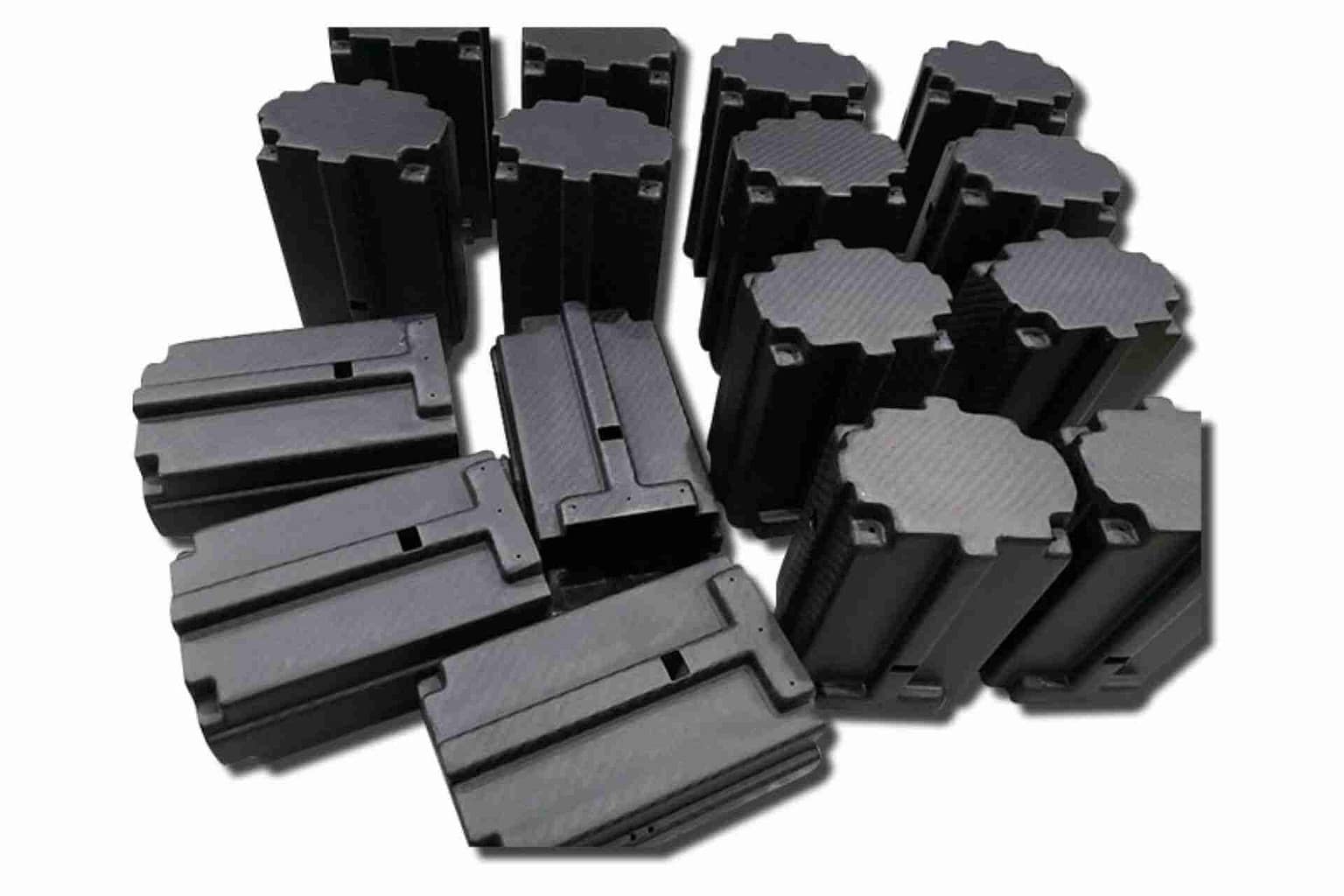
Designed to provide exceptional strength while remaining lightweight, carbon fiber tubes meet needs for resilience and reduced overall mass
Constructed by bonding carbon fiber reinforcements into a cured resin matrix, the tubes become a high-performance composite
High-quality aligned carbon strands grant exceptional tensile performance and stiffness, and the lightweight resin helps minimize mass
Such a blend of characteristics lets engineers craft solutions that combine exceptional strength with reduced mass
Carbon fiber tubing is applied in aerospace, automotive, athletic equipment and healthcare device construction
Within aviation, carbon fiber tubes contribute to lighter fuselages and wings, enhancing fuel efficiency and operational performance
Vehicle manufacturers use carbon fiber tubing for suspension links and chassis bracing to achieve better handling and lighter vehicles
High-precision carbon fiber square tubes designed for superior structural integrity
For projects prioritizing lightweight design combined with structural reliability, carbon fiber square-section tubes offer a superior option
High-precision production results in square carbon fiber tubes that blend mechanical strength with broad design flexibility
Manufactured by integrating carbon fiber architectures with a cured resin matrix, square tubes reliably withstand both compression and tension forces
Because of their inherent stiffness, square carbon fiber tubes are well-suited for tasks that demand strong structural integrity
In aerospace, automotive and specialized sports uses, square carbon fiber tubes provide dependable performance under extreme demands
Additionally, the lightweight nature of square carbon fiber tubes supports improved fuel economy and enhanced system efficiency
- Beyond that, precise dimensional control enables straightforward integration and diminishes costly manufacturing changes
- As a result, square carbon fiber tubes are widely adopted as key materials by industries focused on innovation and efficiency
Rectangular carbon fiber sections designed for tailored configurations and superior results
Its excellent strength-to-weight profile and stiffness qualify carbon fiber for a wide range of demanding engineering roles
Rectangular/prismatic carbon fiber tubes stand out for performance because their geometry is engineered for load handling
Manufacturers can tailor these tubes precisely to meet structural integrity, load-bearing and mechanical requirements
Rectangular carbon fiber tubes can be produced by fabricators to exacting standards for aerospace, sport and industrial applications
Adaptability in design and production helps create solutions that maximize performance and enhance practical functionality
Carbon fiber plate systems designed for superior rigidity and impact protection
These plates exhibit remarkable rigidity, making them apt for high load-bearing scenarios
Manufactured by integrating carbon fibers with a resin matrix, these plates maintain shape and resist bending under load
Their high impact resistance and toughness comes from the carbon fibers’ ability to absorb energy without catastrophic failure
Advanced composite solutions combining carbon fiber tubes and plates for high performance
In advanced material applications carbon fiber (CFRP) tubes and plates have become preferred choices due to outstanding mechanical advantages
Their lightweight yet robust nature suits diverse uses, from aerospace and automotive sectors to sporting and specialized consumer products
The ability to create complex geometries while keeping stiffness and reliability enables broader application of these composites
Furthermore, manufacturing advancements have enhanced affordability and scalability, making these materials more accessible
Selecting carbon fiber tubes and plates can produce lighter, stronger structures compared to many conventional material choices
Corrosion- and fatigue-resistant properties extend operational life and reliability for carbon fiber components in harsh environments
These composite properties stimulate innovation and guide the evolution of engineering design and materials science
Examining how carbon fiber tubes and plates are applied across industries
Carbon fiber tubes and plates are strong composites that have gained notable popularity across different industries
The superior strength-to-weight ratio and mechanical characteristics make them suitable for extensive application ranges
These composites are often found in aerospace, automotive and construction for producing strong, durable structural elements
Equipment for sports such as cycling and golf often employs carbon fiber plates and tubes to raise performance levels
Medical device makers use carbon fiber tubes and plates for prosthetic and surgical solutions due to their favorable properties
Applying carbon fiber tubes and plates to achieve strategic lightweighting
Carbon fiber materials allow dramatic weight reduction across applications while maintaining required structural strength
In uses like cycling frames and turbine blades, carbon fiber tubes provide the required stiffness with minimal added weight
Plates serve as stiff, robust structural elements for aircraft and spacecraft where strength and dimensional stability are crucial
Cutting-edge material science expanding carbon fiber capabilities
Carbon fiber represents a materials science marvel noted for superior strength and toughness
Thin carbon filaments embedded in a resin matrix generate the unique mix of lightness and strength found in carbon fiber composites
Growing aerospace and automotive use reflects the benefits of reduced mass for fuel economy and vehicle/aircraft performance
Automakers incorporate carbon fiber to make lighter and stronger components that improve handling dynamics and crash performance
Carbon fiber structures offer adaptable solutions across both aerospace and automotive industries
The composite materials’ favorable strength-to-weight ratios have changed how aerospace and automotive structures are designed
Using lightweight composites results in vehicles and aircraft that are both high-performing and fuel-efficient while remaining durable
Automotive uses include bodywork, chassis reinforcements and selective frame elements where carbon fiber reduces mass and enhances dynamics
Carbon fiber tubes and plates continue to push engineering boundaries
Using carbon fiber tubes and plates enables industry-wide transformations based on their superior strength-to-weight ratios
Across aerospace, automotive and medical arenas, these lightweight robust materials are employed where performance and lower weight are priorities
In aviation, deploying carbon fiber components yields fuel efficiency benefits and aerodynamic performance gains
Automotive integration yields lighter vehicles with improved acceleration, handling and fuel or energy efficiency
- To maximize benefits, designers must understand carbon fiber mechanics, manufacturing restrictions and the trade-offs involved Optimally using carbon fiber needs insight into material response, production limitations and design balance choices Successful implementation requires knowledge of carbon fiber behavior, fabrication methods and necessary design compromises Effective deployment calls for carbon fiber diving fins a clear grasp of the material’s behavior, how it is fabricated, and the design trade-offs required
- The future outlook for carbon fiber tubes and plates is very promising with expanding applications
- Continued R&D efforts will further refine performance traits and widen the range of possible uses
- As a result, carbon fiber composites are positioned to become increasingly important across engineering and manufacturing domains
Step-by-step guide to achieving peak results with carbon fiber components
Carbon fiber’s combination of high strength and low mass makes it a top material choice for performance-oriented designs
Explore material properties, use cases and methods for integrating carbon fiber to maximize design outcomes
From aerospace and automotive engineering to sports and electronics, carbon fiber contributes to superior performance
Effective use depends on understanding the material’s behavior, manufacturing limits and design trade-offs
A deep dive into the material properties that make carbon fiber so unique.A comprehensive look at its exceptional strength-to-weight ratio and stiffness.